
Fiberglass vs. Vinyl Windows: Which Is Better for Your Home?
April 20, 2026When you’re deciding between fiberglass and vinyl windows for your home, you’re essentially choosing a balance between upfront cost, structural performance, and long-term stability. As you evaluate fiberglass vs vinyl windows, you’ll want to think like an installer planning for decades of service, not just initial appearance.
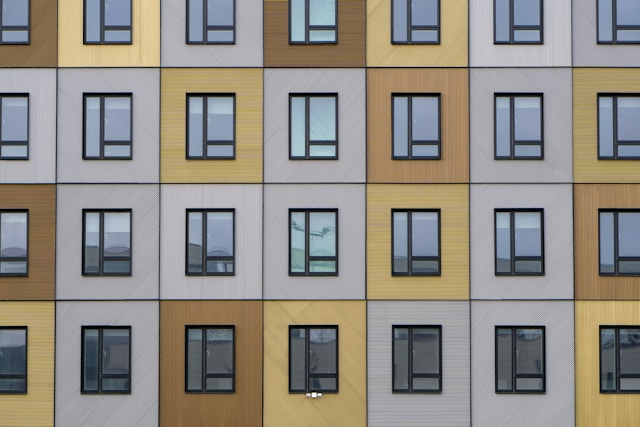
Fiberglass frames handle higher structural loads, so you can specify larger openings with less frame flex and tighter tolerances. That lets you set shims more precisely, maintain consistent reveal lines, and reduce long-term seal stress.
Vinyl windows install more quickly and economically, but you must protect them from over-shimming and fastener over-torquing to prevent warping. In colder climates, fiberglass resists expansion and contraction better, helping you maintain square, plumb, and weather-tight installations.
Understanding the Differences Between Fiberglass and Vinyl Windows
A clear understanding of how fiberglass and vinyl differ in composition, structural behavior, and thermal response will guide your window specification and installation approach. Fiberglass windows Canada projects typically use pultruded glass fibers in resin, creating rigid frames that hold tolerances under load and temperature swings. Vinyl frames use extruded PVC, lighter and more flexible, affecting how you shim, anchor, and seal units.
You’ll serve clients best when you account for:
- Profile rigidity – Fiberglass resists bowing in tall or wide openings; vinyl may need tighter spacing of fasteners and careful shimming.
- Fastener engagement – Fiberglass accepts screws more securely; vinyl requires controlled torque to avoid stripping.
- Thermal movement – Vinyl expands more, so you must respect clearance gaps and sealant joint design.
Comparing Energy Efficiency, Insulation, and Performance
From an energy performance standpoint, you need to evaluate fiberglass and vinyl frames as part of a complete glazing system—frame conductivity, glass package, and installation detailing all interact. When you spec energy efficient windows Toronto homeowners can rely on, you’re looking at U-factor, solar heat gain coefficient (SHGC), and air infiltration, not just frame material.
Fiberglass frames typically allow narrower profiles with deeper glazing pockets, improving edge-of-glass temperatures and reducing condensation risk.
Vinyl frames often rely on multi-chambered profiles and foam fills; their performance depends heavily on weld quality and reinforcement.
Your installation approach—air sealing, shimming at hinge and lock points, continuity of insulation, and integration with flashing—often determines whether the rated performance actually shows up in the home.
Durability, Lifespan, and Weather Resistance in Canadian Climates
Because Canadian winters and freeze–thaw cycles are so punishing, durability quickly becomes a primary design criterion rather than a nice-to-have. When you’re serving homeowners, you need frames and seals that won’t deform, crack, or leak under thermal stress.
Fiberglass excels here: its expansion rate closely matches glass, so insulated units and corners stay tighter over decades. Vinyl can perform well too, but you must specify higher-grade profiles and reinforce larger openings.
When evaluating double pane windows Toronto projects, compare these factors:
- Frame stability under repeated freeze–thaw and direct sun.
- Seal integrity around the insulated glass unit and nailing flange.
- Drainage and weep-system design to shed meltwater, prevent ice buildup, and protect interior finishes.
Cost vs Long-Term Value: Which Window Type is Worth It?
Ultimately, you have to weigh what you’re paying today against what the window will cost you over 20–30 years of service. Vinyl windows usually have a lower upfront price and work well when you’re serving budget-sensitive homeowners or quick turnover properties.
Fiberglass costs more initially, but its frame stability, lower expansion/contraction, and reduced risk of seal failure often mean fewer callbacks, less condensation damage, and longer intervals before replacement. In many projects, that makes fiberglass the best windows for cold climate Canada, especially where clients face long heating seasons.
When you calculate lifecycle value, include installation labor, foam insulation, shimming, flashing, and future service visits. The more demanding the climate and the longer the client will stay, the more fiberglass tends to justify its premium.
Design Flexibility, Aesthetics, and Customization Options
Design flexibility is where fiberglass and vinyl start to separate in day-to-day project planning, especially on custom or architect-driven jobs.
When you’re coordinating custom window installation Toronto projects, fiberglass frames let you match existing sightlines, replicate wood profiles, and maintain slim frame dimensions without compromising structural integrity.
Vinyl systems are more standardized, so you’ll typically work within the manufacturer’s catalog of sizes and shapes.
You’ll see the biggest differences in:
- Color and finishes – Fiberglass accepts factory paint in darker tones with less warping risk; vinyl favors lighter, integral colors.
- Shape and scale – Fiberglass handles large spans and specialty shapes with tighter tolerances.
- Trim and muntin details – Fiberglass supports sharper profiles; vinyl grids are usually broader and more uniform.
How Omega Universal Helps You Choose the Right Window Solution
Once you’ve narrowed down the look and performance you want from fiberglass or vinyl, Omega Universal steps in to translate those preferences into a buildable, code-compliant window package for your home.
Their team reviews your wall construction, rough openings, and local energy requirements, then recommends specific frame profiles, glazing options, and hardware.
They don’t just sell omega windows and doors; they verify structural loads, egress clearances, and air–water–thermal performance so what you choose actually works in the field.
You’ll get help matching fiberglass or vinyl frames to proper flashing, insulation, and sealant systems for long-term durability.
On site, they coordinate with your installer, clarify manufacturer specifications, and ensure every unit is shimmed, fastened, and sealed to maintain warranty and efficiency.
Conclusion
A sound window decision balances material performance, climate demands, and total lifecycle cost, not just the initial quote. When you compare fiberglass vs. vinyl, you’re really weighing structural strength, thermal expansion, and service life against upfront savings and ease of maintenance, especially with Energy Star windows Canada homeowners rely on.
To serve your household well, focus on:
- Climate + frame choice: In harsher zones, fiberglass frames limit expansion, protect seals, and maintain airtight installs longer.
- Glazing package: Specify double or triple pane, Low‑E, warm-edge spacers, and gas fill to match your heating and cooling profile.
- Installation quality: Insist on laser-measured openings, proper shimming, low‑expansion foam, and sealed interior/exterior joints to preserve efficiency and warranties.