
What Are Aluminum-Clad Wood Windows? Benefits for Modern Homes
April 14, 2026Although they look like conventional wood units from the inside, aluminum-clad wood windows are engineered assemblies that pair a structural wood frame on the interior with a factory-bonded aluminum shell on the exterior to meet modern performance and code requirements. When you specify aluminum clad wood windows for a modern home, you’re balancing aesthetics, durability, and compliance.
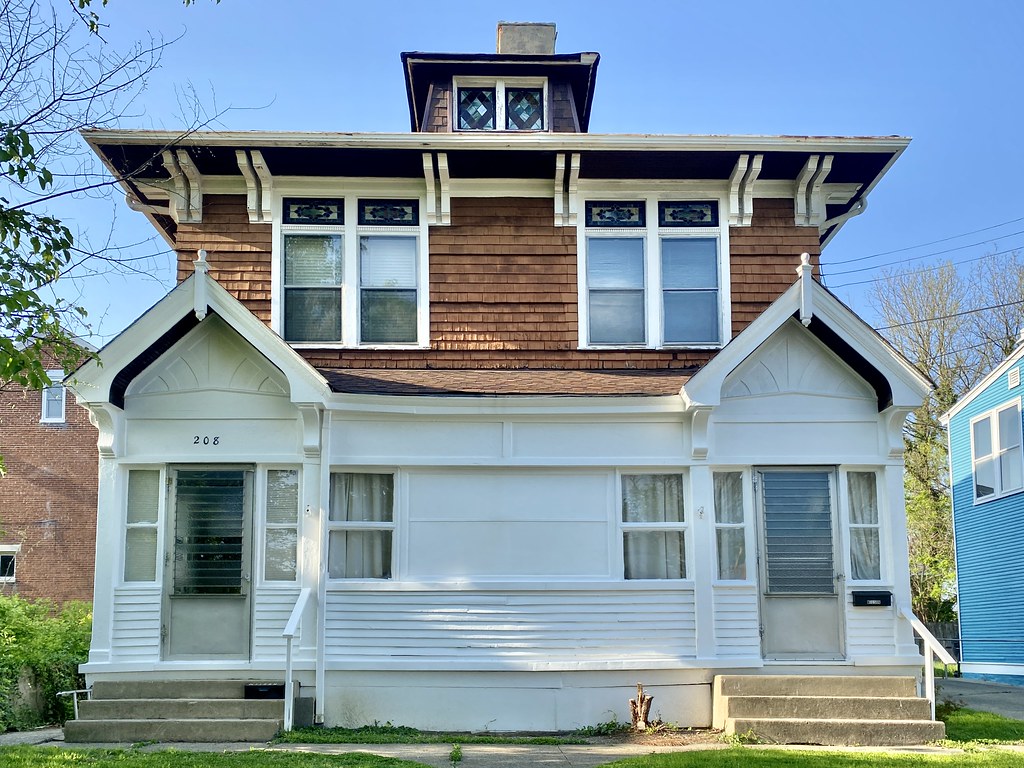
You gain a warm, stainable interior that lets you match trim packages while the exterior aluminum minimizes site maintenance and resists Toronto’s freeze-thaw cycling.
Properly selected units help you satisfy energy codes through insulated glass, Low-E coatings, and thermally improved frames. During installation, you can integrate these windows with current air- and water-barrier systems, achieving tight envelopes that support occupant comfort, reduced callbacks, and long-term client satisfaction.
Understanding Aluminum-Clad Wood Windows and How They Are Built
To make aluminum-clad wood windows work to their full potential, you need to understand exactly how they’re assembled and what each component does in the wall system. You’re working with a wood structural frame, wrapped in formed aluminum on the exterior, and integrated insulated glass units that lock into that frame with gaskets and sealants rated for your climate zone.
| Component | Role in Assembly |
|---|---|
| Wood frame | Carries structural load, anchors to rough opening, accepts interior trim, and must align with air/vapour barriers. |
| Aluminum cladding | Clips or crimps to the frame, sheds bulk water, and maintains required clearances from masonry and siding. |
| Insulated glass units | Set on setting blocks, shimmed, and sealed to meet CSA/ASTM air–water infiltration criteria for high-performance windows. |
Key Benefits: Durability, Energy Efficiency, and Low Maintenance
A major advantage of aluminum-clad wood windows is that they deliver durability, energy performance, and low maintenance in a single, integrated assembly that’s easier to keep within code and spec. The extruded aluminum exterior resists impact, corrosion, and UV degradation, so you’re not scheduling constant repainting or emergency repairs. This helps you stand behind long-term performance for clients.
On the energy side, you can specify insulated glass units with Low‑E, argon fill, and thermal breaks to meet or exceed typical “energy efficient windows Toronto” requirements, including stringent U‑factor and SHGC targets. Properly flashed and air‑sealed, these units reduce condensation risk, protect interior finishes, and stabilize indoor temperatures. All while keeping routine care to simple cleaning and periodic hardware checks.
Design Advantages: Natural Wood Interiors and Modern Exterior Finishes
Because aluminum-clad wood windows pair a protected exterior with an exposed wood frame inside the wall cavity, they give you far more design control without compromising performance or code compliance.
You can align the factory-finished aluminum profiles with modern façades while site-finishing the interior wood to match trim, flooring, or cabinetry.
For custom window installation Toronto projects, you can:
- Coordinate interior wood species, stain, and casing profiles with existing millwork while maintaining required sightlines and egress dimensions.
- Specify exterior aluminum colors, gloss levels, and profiles to match contemporary cladding systems and meet local design guidelines.
- Integrate tailored jamb depths, extension jambs, and returns to suit varied wall assemblies without exposed unfinished edges.
- Use consistent frame dimensions and mullion layouts to create clean, modular elevations that still satisfy structural and safety codes.
Performance Features: Insulation, Airtight Sealing, and Weather Resistance
When you move beyond aesthetics and look at aluminum-clad wood windows as building-envelope components, their value shows up in their insulated frame construction, engineered glazing, and tested air- and water-tight interfaces. You’re not just installing a window; you’re closing a potential weak point in the envelope.
Factory-applied weatherstripping, compression seals, and multi-point locks help you achieve low air-leakage rates that align with modern energy codes.
When you specify low-e glass windows Canada projects demand, you pair thermal breaks in the aluminum cladding with insulated glass units to reduce conductive and radiant heat loss.
Proper shimming, backer rod, and sealed perimeter joints integrate the unit with your WRB, directing bulk water out and away, while preserving interior wood from condensation-driven damage.
Why Aluminum-Clad Windows Are Ideal for Modern Homes in Canada
Although they look like a design upgrade, aluminum-clad wood windows function as a building-science solution that aligns with how modern Canadian homes are detailed and inspected. When you specify them, you’re meeting energy, durability, and moisture-management targets across varied climate zones—from coastal BC to Toronto and the Prairies—while still delivering a warm interior finish your clients appreciate.
- Code alignment: Meet or exceed NBC/NECB U-value and airtightness requirements using insulated IGUs, Low-E, and thermally broken frames.
- Durable exterior windows: Aluminum cladding resists freeze-thaw, wind-driven rain, and UV, protecting the wood substrate.
- Integration with enclosure systems: Factory-flashed frames tie cleanly into WRB, air barrier, and exterior insulation details.
- Low-maintenance service life: Reduced repainting and repair demands let you serve homeowners with long-term, reliable performance.
Conclusion
Aluminum-clad wood windows don’t just satisfy modern Canadian code—they give you a clear upgrade path for your next project, whether you’re replacing aging units or detailing a new high-performance envelope. You get exterior aluminum that shrugs off freeze-thaw, while the interior wood lets you align profiles, jamb depths, and finishes with your trim package and casing details.
When you pair aluminum-clad frames with double pane windows Toronto homeowners trust, you’re not just hitting prescriptive U-values—you’re improving whole-wall performance. Properly integrate flanges or clips with your WRB, use backer rod and high-quality sealants, and tie into existing air barriers to avoid thermal bypasses and condensation risk. You’ll deliver tighter envelopes, quieter interiors, and longer service life for the people you serve.